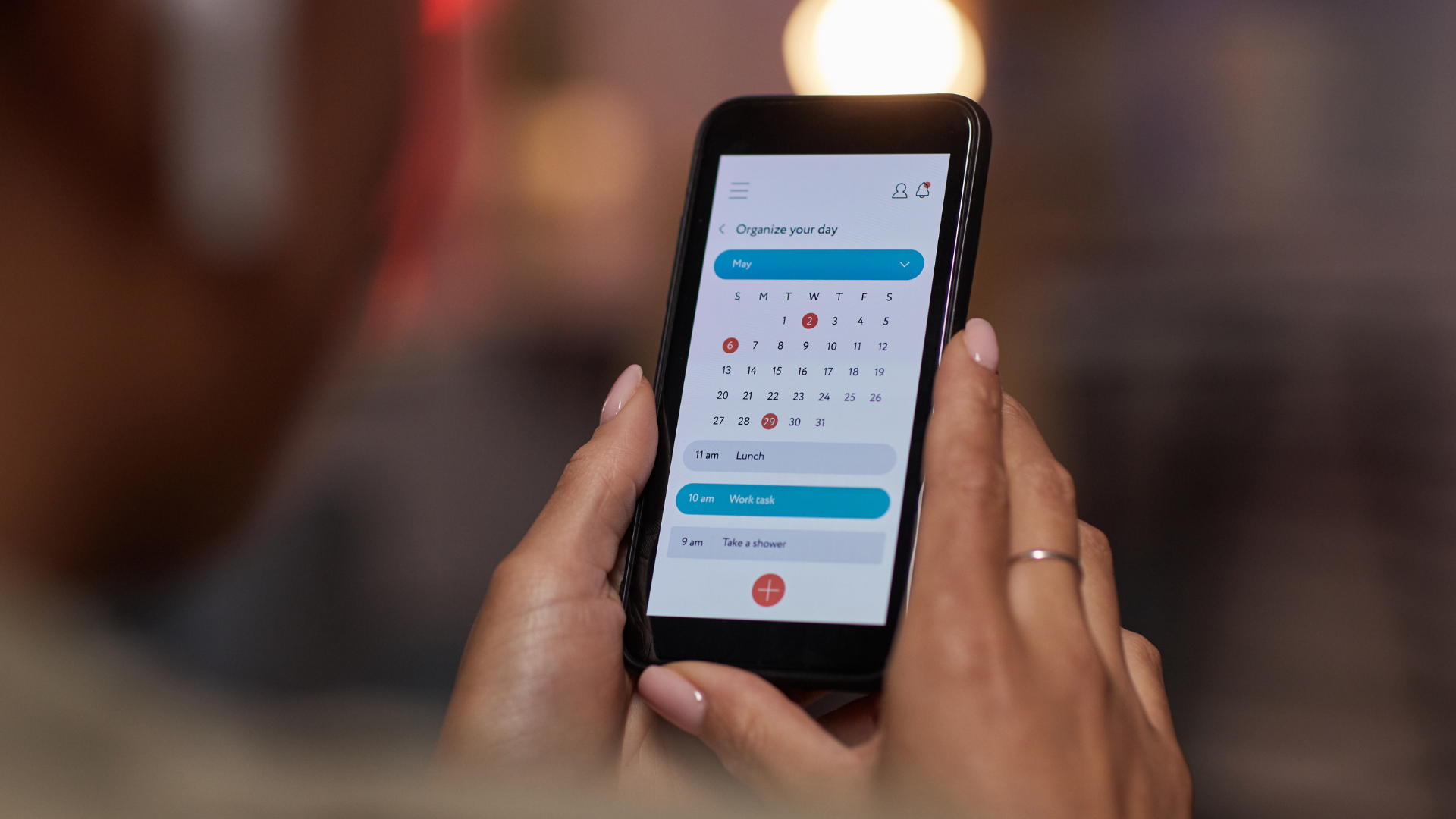
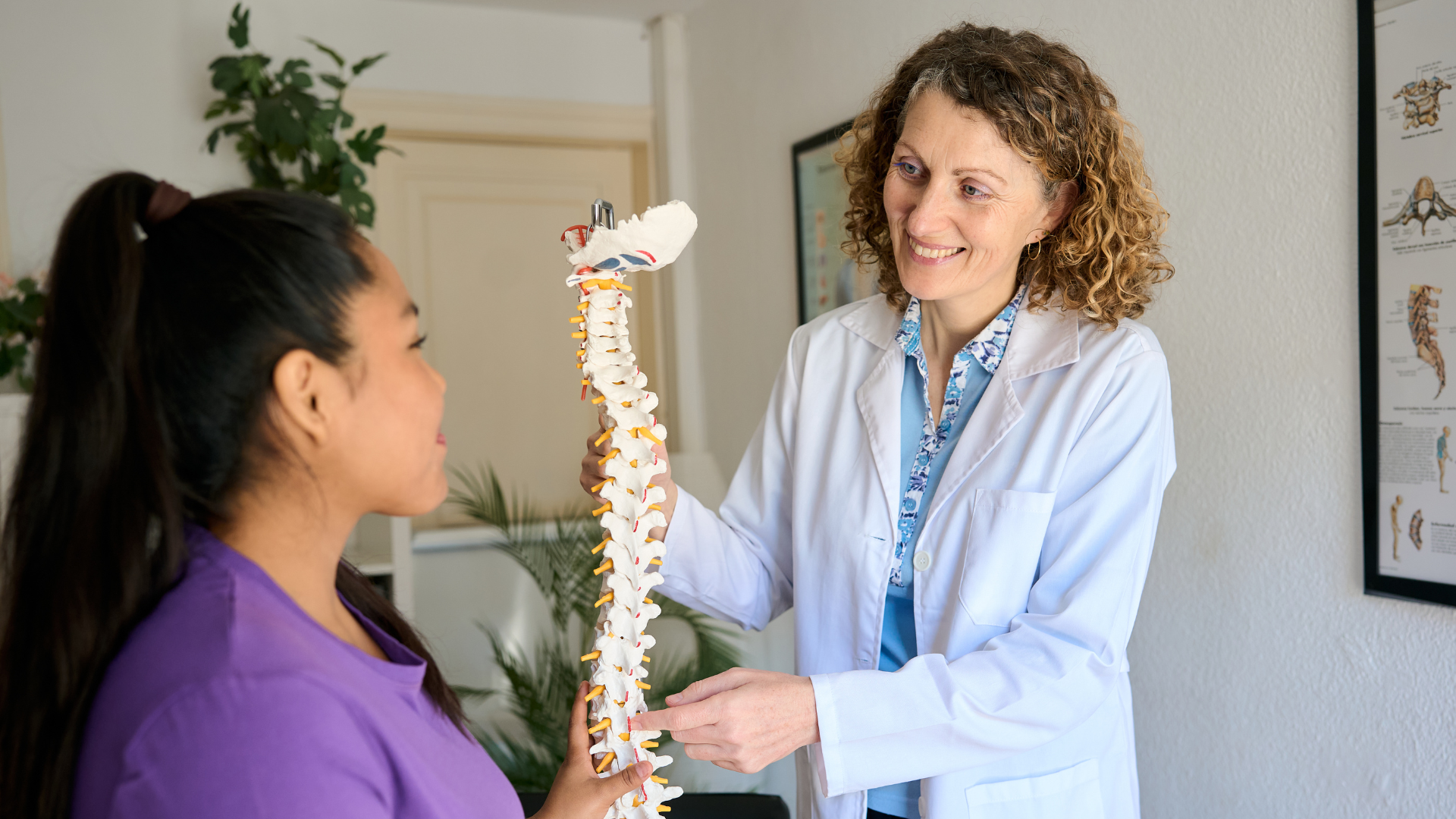
A closer look at how relevance, timing, reminders, and thoughtful communication can shape the experience beyond a chiropractic appointment.
9 Min ReadPatient CommunicationChiropractic
What Makes a Follow Up Worth Receiving?
Follow up communication can serve many different purposes.
It can remind someone about an appointment. Confirm that a request was received. Provide practical information. Share educational material. Help someone understand what happens next. Or simply make it easier to stay informed.
But communication can also become less useful when it arrives without a clear purpose. A message that is relevant to one person may be unnecessary to another. A reminder may be helpful before an appointment but meaningless after it. Educational information may be useful when someone is actively looking for answers but easy to ignore when it does not relate to their current situation.
This makes follow up more complicated than simply deciding how often to send a message.
The more important question is whether the communication has a reason to exist.
“Silence is not always better. But more communication is not always better either.”
A patient does not necessarily need more messages. Sometimes they simply need the right information at the right moment.
The Difference
Not Every Message Carries the Same Value
Signal
ClearRelevantTimelyExpectedUseful
Communication that helps someone understand, remember, prepare, or take an appropriate next step.
Noise
RepeatedIrrelevantUnexpectedUnclearExcessive
Communication that adds another message without giving the person a clear reason to care about it.
The difference is not always obvious.
A message can be well written and still be irrelevant. A message can be automated and still be useful. A message can be personal and still arrive at the wrong time.
Meaningful communication depends on context.
What The Research Suggests
The Strongest Evidence Is Often About Specific Types of Communication
Research into healthcare communication does not support treating every type of follow up as the same.
Appointment reminders, for example, have been studied extensively across healthcare settings. Educational communication, post appointment follow up, automated messaging, and long term patient communication may involve different purposes and different evidence.
This distinction matters. Evidence showing that appointment reminders can improve attendance does not automatically mean that sending more emails will improve every aspect of the patient experience.
The purpose of reviewing research is therefore not to justify more communication. It is to understand where communication may be useful and what factors influence whether a message serves its intended purpose.
Research Finding 01
Appointment Reminders Have Consistent Evidence Behind Them
Research across healthcare settings has consistently found that appointment reminder systems can improve attendance.
A systematic review and evidence synthesis examining reminder systems found consistent evidence that reminders improved appointment attendance across a range of healthcare settings and patient populations.
The review also highlighted an important detail: the effectiveness of reminders depends on context. The reminder system needs to work with the healthcare service, the administrative process, and the needs of the people receiving the communication.
The research therefore supports the value of reminders in many circumstances. But it does not suggest that one reminder format is automatically ideal for every service.
For a chiropractic clinic, the useful question may be: does the reminder make it easier for the patient to attend, cancel, reschedule, or understand the appointment?
Source: Appointment Reminder Systems Are Effective but Not Optimal: Results of a Systematic Review and Evidence Synthesis Employing Realist Principles.
“A reminder can be simple and still be meaningful.”
Research suggests that simple reminders containing practical appointment information can support attendance. Additional information may be useful in some circumstances, but more information is not automatically necessary. The value of communication can depend on what the person actually needs at that moment.
Source: Targeting the Use of Reminders and Notifications for Uptake by Populations (TURNUP): A Systematic Review and Evidence Synthesis.
The Method of Communication Is Only Part of the Picture
Research examining healthcare appointment communication has found benefits from telephone, SMS, and other forms of reminders.
A systematic review examining telephone and SMS reminders found that reminders generally improved appointment attendance compared with no reminder.
However, the research also showed differences between communication approaches and highlighted the importance of how reminders are implemented. This reinforces a broader principle. Choosing a communication channel is not the same as designing a communication experience.
A message can be delivered successfully and still fail to provide useful information.
For a chiropractic clinic, communication should therefore be considered beyond the technology being used. The question is not only whether this should be an email, SMS, or phone call. It can also be what the person needs to know.
Source: Use of Telephone and SMS Reminders to Improve Attendance at Hospital Appointments: A Systematic Review.
Does this communication provide information that the person may reasonably need?
02
Is It Timely?
Does the message arrive when the information is most likely to be relevant?
03
Is It Appropriate?
Does the communication respect the context of healthcare and the relationship between the clinic and the patient?
04
Is It Clear?
Can the person quickly understand why they received the message and what information it contains?
Research Finding 03
Communication Is Already Recognised as Part of the Chiropractic Patient Experience
A 2024 systematic review examining patient experience and satisfaction with chiropractic care found that positive experiences were associated with factors extending beyond clinical outcomes alone.
The review identified the importance of the clinical interaction and clinician attributes. Communication, being listened to, trust, empathy, and the therapeutic relationship were among the factors discussed as contributing to positive patient experiences.
However, the authors also noted that communication remains an area requiring further exploration within chiropractic specific research.
That limitation is important. It means that communication appears relevant to patient experience within chiropractic care, but the evidence base should not be overstated.
There is a difference between recognising communication as important and claiming that every type of automated follow up has been proven to improve patient satisfaction.
For chiropractic clinics, this creates an opportunity to think carefully about communication while remaining honest about what the research does and does not establish.
Source: Patient Experience and Satisfaction With Chiropractic Care: A Systematic Review.
Can a System Help Without Making Communication Feel Mechanical?
Automation can help a clinic manage communication that would otherwise require repetitive administrative work. For example: appointment confirmations, appointment reminders, practical information, follow up instructions that have been clinically approved for appropriate use, general educational resources, and administrative updates.
But automation does not automatically make communication meaningful. A system can send the correct message at the correct time and still require human judgement around complex questions, individual circumstances, clinical concerns, unexpected situations, or conversations that require a personalised response.
Systems Can Support
Consistency
Timing
Repetitive administrative communication
Clear delivery of practical information
Human Judgement Remains Important For
Individual concerns
Complex questions
Clinical discussions
Situations requiring personal understanding
Not Everything Needs the Same Message
Different Moments May Require Different Types of Communication
Information that helps someone remember or manage an upcoming appointment.
03
Education
Appropriate general information that supports understanding without replacing professional advice.
04
Updates
Relevant information about changes, availability, or clinic communication when appropriate.
05
Human Conversation
Situations where a person needs an individual response rather than another automated message.
What This Could Mean For Chiropractic Clinics
Communication Should Support the Experience, Not Compete With It
A chiropractic clinic may communicate with patients across several different moments. Before an appointment. After an enquiry. Around appointment scheduling. Between visits. Or when sharing appropriate educational information.
The challenge is not simply deciding how frequently to communicate. It is deciding whether each communication serves a clear purpose. For example: does it answer a practical question? Does it help someone prepare? Does it provide information they were expecting? Does it make the next step clearer? Or is it simply another message because the system was programmed to send one?
Thoughtful communication can support the overall experience of interacting with a clinic. But communication should not become a substitute for meaningful care or professional interaction.
The strongest approach may not be the most frequent one. It may simply be the most relevant.
Our Perspective
Automation Can Deliver a Message. It Cannot Decide Whether the Message Matters.
At Dion Services, we believe systems should make communication easier to manage without encouraging clinics to communicate simply because technology makes it possible.
A communication system should have purpose. It should help deliver information consistently. Support practical patient communication. Reduce unnecessary administrative repetition. And make relevant resources easier to share.
But the existence of automation should never become the reason for sending more messages.
Technology is most useful when it supports a thoughtful communication strategy. Not when it replaces one.
For chiropractic clinics, this means considering communication as part of the broader patient experience. Every message should have a reason. Every system should have boundaries. And every automated process should leave room for appropriate human judgement.
Key Principles
Meaningful Follow Up Begins With Intent
01
Purpose Before Frequency
Do not begin by asking how often communication should be sent. Begin by asking why the communication exists.
02
Relevance Before Automation
A message being easy to automate does not automatically make it useful to the person receiving it.
03
Clarity Before Complexity
Practical communication should help people understand what they need to know without adding unnecessary information.
04
Systems With Boundaries
Automation can support administrative and approved communication processes, but it should not replace individual clinical judgement or professional conversations.
05
The Right Message May Sometimes Be No Message
Not every moment requires follow up. Restraint can be part of thoughtful communication.
Meaningful Communication Is Defined by Purpose
Follow up communication can serve an important role in healthcare.
Research provides strong support for certain forms of communication, particularly appointment reminders. Chiropractic research also recognises communication and the patient practitioner interaction as important parts of the overall patient experience.
But those findings should be interpreted carefully.
Evidence supporting appointment reminders does not mean that every automated message will improve the patient experience. Nor does it mean that more communication is always better.
The value of communication depends on its purpose.
Sometimes a reminder is useful. Sometimes educational information is helpful. Sometimes a practical update makes the next step clearer. And sometimes the most appropriate response requires a real conversation.
For chiropractic clinics, the opportunity is not simply to build more automated workflows. It is to think more carefully about the communication that already exists.
Which messages genuinely help? Which messages are expected? Which messages provide useful information? And which messages may no longer have a meaningful reason to be sent?
Technology can make communication easier to deliver. Thoughtfulness is what makes it worth receiving.
Resources
Research & References
This case study draws on research examining appointment reminders, healthcare communication, patient experience, and communication within chiropractic care.
Appointment Reminder Systems Are Effective but Not Optimal: Results of a Systematic Review and Evidence Synthesis Employing Realist Principles
Patient Preference and Adherence
A major evidence synthesis examining how reminder systems influence appointment attendance and why effectiveness can depend on context, healthcare settings, administrative processes, and patient factors.
Using Digital Notifications to Improve Attendance in Clinic: Systematic Review and Meta analysis
BMJ Open
A systematic review and meta analysis examining the relationship between electronic notifications and healthcare appointment attendance across multiple healthcare settings.
Patient Experience and Satisfaction With Chiropractic Care: A Systematic Review
Journal of Patient Experience
A systematic review of chiropractic patient experience and satisfaction that identifies communication, trust, empathy, and the patient practitioner interaction as important considerations while highlighting the need for further chiropractic specific research.
This case study is intended for informational and educational purposes. It discusses research and communication considerations relevant to healthcare and chiropractic clinics. It is not medical advice. Automated communication, reminders, and educational resources cannot assess individual health concerns, provide a diagnosis, or replace appropriate communication with a qualified healthcare professional. Clinics should ensure that all patient communication complies with applicable privacy, consent, professional, and regulatory requirements.