Dion Services
Case Study · Appointment Experience

Can a Simpler Booking Journey Help Reduce Patient Drop Off?

Exploring how accessibility, convenience, and the design of the booking process may influence the journey between interest and taking action.

9 Min Read Appointment Experience Chiropractic
The First Question

What Happens When Booking Feels More Difficult Than It Needs To?

Someone can decide that they would like to speak to a chiropractic clinic and still encounter friction when trying to arrange an appointment.

The difficulty may come from unclear instructions, too many steps, unfamiliar terminology, limited appointment information, confusing navigation, forms that request unnecessary information, uncertainty about what happens after submission, a lack of alternative contact methods, difficulty using the booking process on a phone, or accessibility barriers.

Not every failure to book is caused by the booking system.

Sometimes a person simply changes their mind. Sometimes timing does not work. Sometimes they are still deciding.

The purpose of this case study is to introduce a useful distinction: unnecessary friction is different from a deliberate decision not to book.

The Question

How Much Effort Should Someone Have to Spend Just to Arrange an Appointment?

A person should not have to understand the internal systems of a chiropractic clinic in order to understand how to arrange an appointment.

The practical questions should be easy to answer:

  • Where do I book?
  • Can I book online?
  • Should I call?
  • What happens after I request an appointment?
  • What information do I need?
  • Can I choose a time?
  • What happens if I need to change the appointment?

“An appointment journey should make the next step clear without making the person work unnecessarily hard to find it.”

Person moving from interest to arranging a chiropractic appointment
Understanding the Experience

Booking Is Simple Only When the Process Is Easy to Understand

A booking journey may appear simple from inside the clinic because staff already understand the system. The person trying to book does not. They may be seeing the process for the first time.

Common sources of complexity include unclear appointment types, unclear practitioner choices, unclear service descriptions, unclear pricing or practical information, multiple pages before the booking stage, unnecessary form fields, confusing terminology, poorly organised scheduling interfaces, lack of mobile usability, and uncertainty after submitting an enquiry.

The clinic may know how the process works. The patient may not. That difference matters.

What The Research Suggests

Accessibility and Convenience Can Shape the Appointment Experience

Research into web based medical appointment systems has identified potential benefits of online scheduling, including flexibility and improved access.

But online scheduling is not automatically better for everyone. Factors can include technology experience, communication preferences, accessibility requirements, familiarity with digital tools, the needs of the particular healthcare setting, and safety and privacy considerations.

Accessibility means providing a usable route to the appointment, not forcing everyone into one digital system.

Research Insight 01

Web Based Appointment Systems May Improve Flexibility and Access

A systematic review of web based medical appointment systems examined the potential benefits and barriers associated with online scheduling. The review identified potential benefits including convenience, flexibility, and improved access in some healthcare settings. However, it also highlighted barriers and implementation considerations.

The broader lesson is not that every healthcare service should replace traditional booking methods with an online system. It is that appointment access should be considered from the perspective of the person using the system. A digital booking process is only useful when people can understand it, access it, and use it appropriately.

Source: Zhao et al., Web Based Medical Appointment Systems: A Systematic Review.
View Research

Research Insight 02

Digital Notifications Can Support Attendance After an Appointment Is Scheduled

Research into electronic appointment notifications suggests that reminders may support attendance once an appointment has already been arranged. This distinction is important. A reminder system addresses a different part of the journey from the process of finding and arranging an appointment.

The evidence should therefore not be interpreted as meaning that more messages or more automation are automatically better. The practical value comes from using communication at the appropriate stage.

Source: Robotham et al., Using Digital Notifications to Improve Attendance in Clinic: Systematic Review and Meta analysis.
View Research
Research Insight 03

Reminders Can Also Support Cancellations and Rescheduling

An evidence synthesis examining appointment reminder systems across healthcare settings found consistent evidence that reminders can improve attendance. It also identified a practical role for reminders in helping people cancel or reschedule appointments that they no longer intend to attend.

This matters because an effective appointment process is not simply about getting someone to a scheduled time. It should also make changes to that appointment reasonably clear and manageable. For a chiropractic clinic, the broader lesson is that appointment communication should support the whole appointment experience.

Source: McLean et al., Appointment Reminder Systems Are Effective but Not Optimal: Results of a Systematic Review and Evidence Synthesis Employing Realist Principles.
View Research
Online healthcare appointment scheduling interface
The Practical Question

Can Someone Understand What to Do Next Without Having to Think Too Hard?

A person arranging an appointment should not need to decode the website.

This means visible booking options, understandable language, obvious next steps, clear expectations, simple instructions, accessible contact options, understandable appointment types, and a clear confirmation after submission.

Simplicity does not guarantee bookings. But it can reduce unnecessary effort and uncertainty.

What Does a Simpler Booking Journey Look Like?

01

Make the Starting Point Obvious

The person should be able to quickly understand how to begin arranging an appointment.

02

Explain What the Person Is Booking

Appointment types, practitioners, services, or practical details should be understandable without requiring insider knowledge.

03

Ask Only for Information That Is Appropriate

A booking or enquiry process should not create unnecessary effort by asking for information that is not required for the particular stage of the journey.

04

Make the Next Step Clear

After someone submits a request, they should understand what happens next.

05

Make Changes Easy to Understand

People may need to cancel, reschedule, ask questions, or contact the clinic through another channel. The process should accommodate normal changes in circumstances.

Research findings on appointment scheduling usability and accessibility
The Patient Experience

A Booking System Can Be Technically Functional and Still Feel Difficult to Use

There is a distinction between functional and frictionless. A system can technically work while still creating unnecessary effort.

Examples include confusing terminology, unclear instructions, difficult navigation, unnecessary form fields, a poor mobile experience, hidden contact details, unclear confirmation, and unclear scheduling expectations.

A clinic should not evaluate the booking process only by asking whether the system works. It should also consider whether the person using it understands what to do.

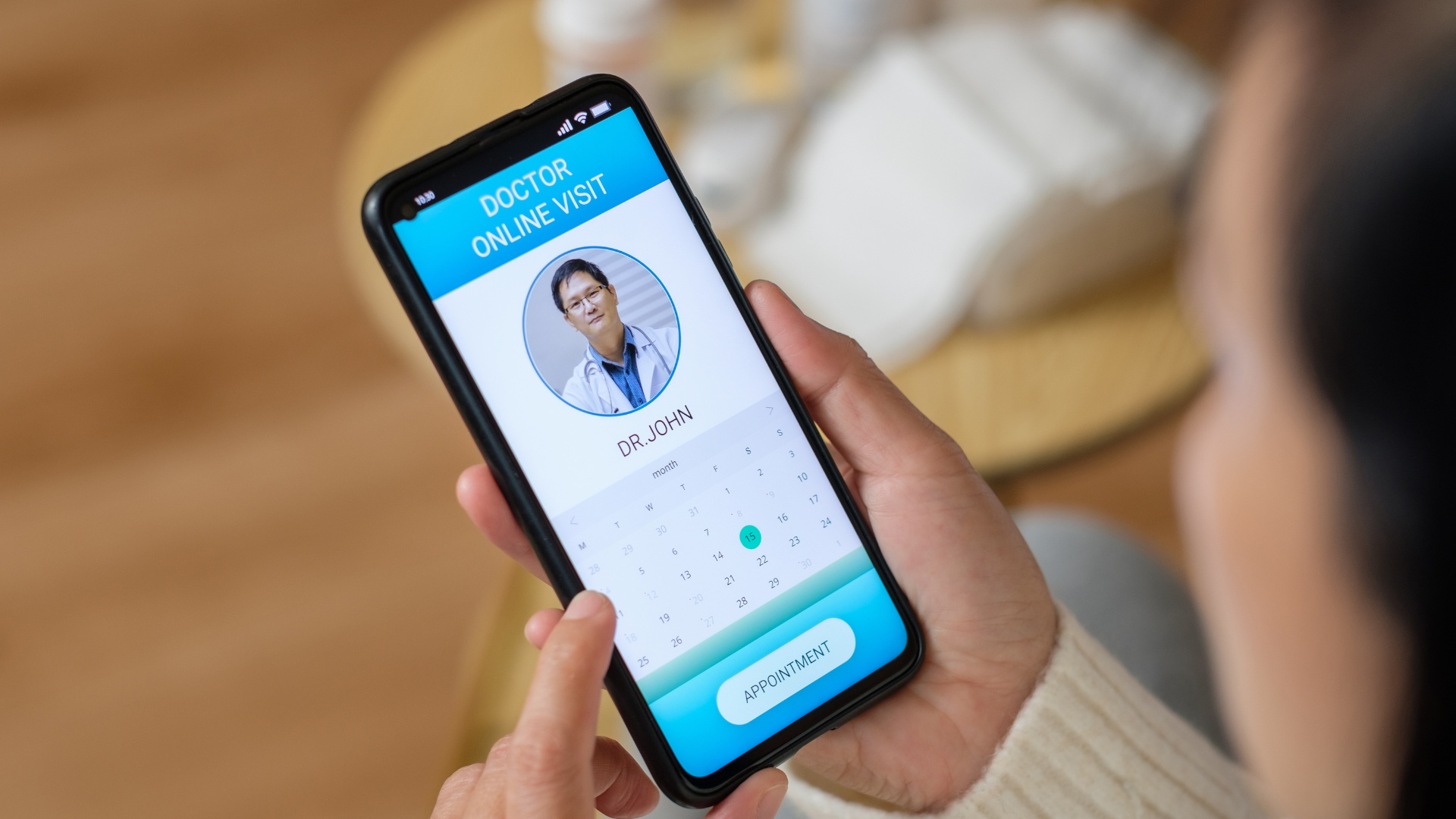
Person using a smartphone to arrange a chiropractic appointment
What This Could Mean For Chiropractic Clinics

The Booking Experience Is Part of the Patient Experience

The patient experience begins before the person arrives at the clinic. It may include finding the clinic, understanding services, deciding whether the clinic may be appropriate, finding appointment information, arranging an appointment, receiving confirmation, preparing for the appointment, and changing the appointment if necessary.

A booking process therefore sits within a larger healthcare experience.

This does not directly determine clinical outcomes, and a simpler booking journey does not automatically increase revenue. The focus is on usability, clarity, accessibility, and reducing unnecessary administrative friction.

Our Perspective

“A Good Booking Journey Should Feel Clear, Not Clever”

The best booking process is not necessarily the most sophisticated one. It may simply be the one that makes the next step easiest to understand.

At Dion Services, we believe a digital experience should not make people work harder than necessary to access information or arrange care. Technology can help clinics provide convenient access. But technology should support the person’s experience rather than force the person to adapt to the clinic’s internal processes.

A booking system should be designed around clarity. Not complexity. Not cleverness. Not pressure.

The purpose is to make the appropriate next step easier to understand.

Key Takeaways

What This Case Study Suggests

01

Not Every Person Who Does Not Book Has Dropped Off

A delay can reflect timing, uncertainty, personal circumstances, or a decision not to proceed.

02

Clarity Reduces Unnecessary Friction

People should be able to understand how to arrange an appointment without having to decode the clinic’s internal processes.

03

Accessibility Means Providing a Usable Path

Online scheduling may be useful, but not everyone has the same preferences, needs, or comfort with digital tools.

04

The Next Step Should Be Easy to Understand

Booking, confirmation, cancellation, rescheduling, and communication should be explained clearly.

A Simpler Booking Journey Does Not Mean a Shorter Journey

Simplicity is not about removing every step. It is about removing unnecessary confusion.

A healthcare appointment journey may still involve questions, decisions, scheduling, communication, confirmation, preparation, cancellation, and rescheduling.

The goal is not to make the process artificially fast. The goal is to make it understandable.

“A better booking experience may not be about getting someone to act faster. It may simply be about making it easier for them to understand what to do when they are ready.”

Resources

Research & References

This case study draws on research examining web based medical appointment systems, appointment reminders, digital notifications, and appointment attendance across healthcare settings. These sources provide context for the discussion and should be interpreted within the scope and limitations of each individual study.

Appointment Reminder Systems Are Effective but Not Optimal: Results of a Systematic Review and Evidence Synthesis Employing Realist Principles

Patient Preference and Adherence

A systematic review and evidence synthesis examining appointment reminder systems across healthcare settings, including attendance, cancellations, rescheduling, and the importance of tailoring reminder processes to individual services.

View Research

Using Digital Notifications to Improve Attendance in Clinic: Systematic Review and Meta analysis

BMJ Open

A systematic review and meta analysis examining the relationship between electronic notifications and healthcare appointment attendance and non attendance.

View Research

Web Based Medical Appointment Systems: A Systematic Review

Journal of Medical Internet Research

A systematic review examining the potential benefits and barriers associated with web based medical appointment scheduling systems.

View Research

Use of Telephone and SMS Reminders to Improve Attendance at Hospital Appointments: A Systematic Review

Journal of Telemedicine and Telecare

A systematic review examining the use of telephone, SMS, and automated reminders and their association with appointment attendance across healthcare settings.

View Research

This case study is intended for informational and educational purposes. It discusses research and administrative considerations relevant to chiropractic clinics and is not medical advice. Appointment systems and communication processes cannot assess an individual’s health concerns or determine whether chiropractic care is appropriate for a particular person. Clinics should ensure that appointment, communication, privacy, consent, accessibility, healthcare, and marketing practices comply with applicable requirements.