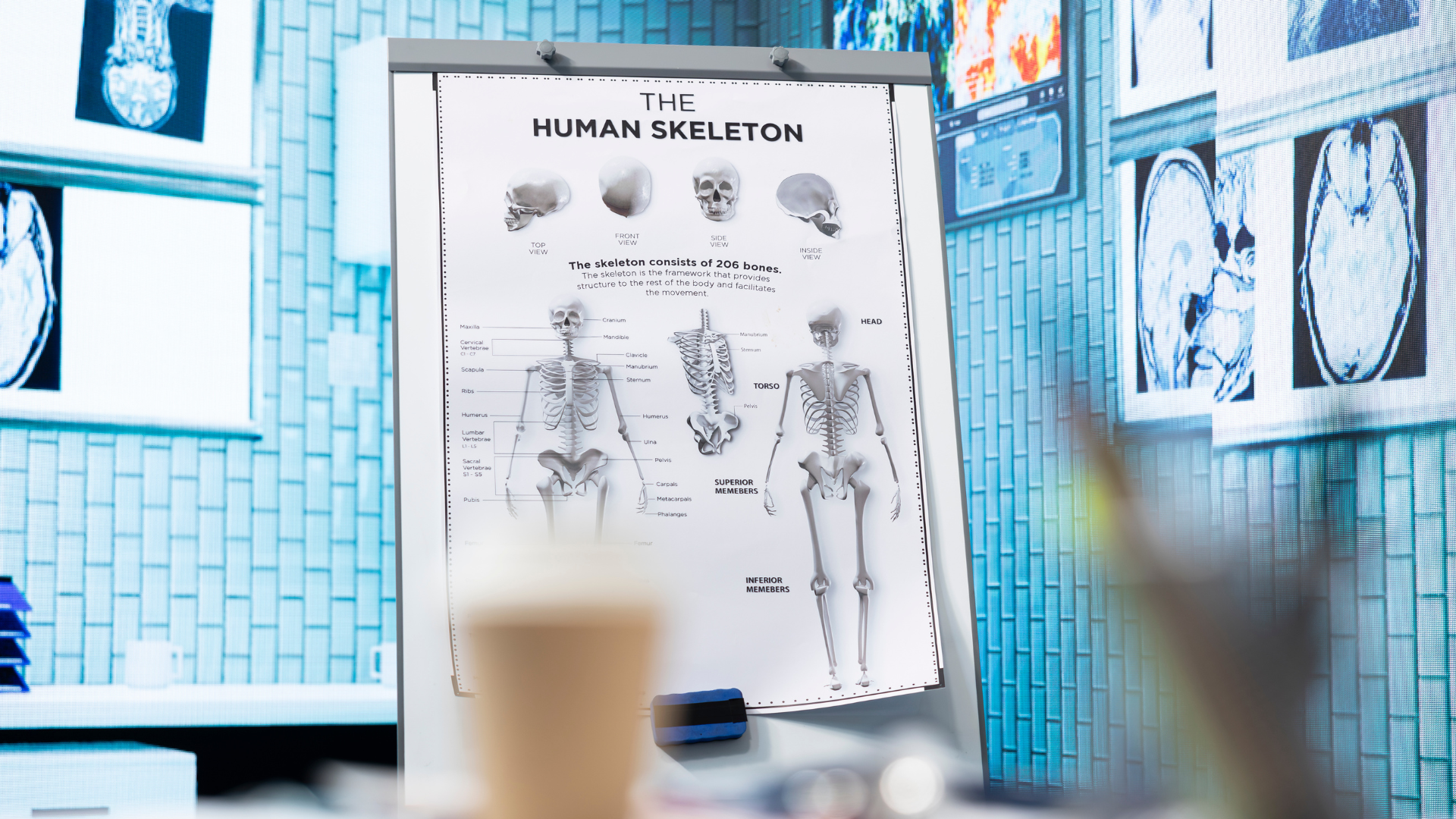
Can Patient Education Build Confidence Before Booking?
A closer look at whether clear, accessible information can help people better understand a chiropractic clinic before deciding what to do next.
9 Min ReadPatient EducationChiropractic
Before Someone Books, What Are They Still Trying to Understand?
Someone considering a chiropractic appointment may not arrive with a complete understanding of what they are looking for.
They may have questions about the clinic. They may want to know who they will be seeing. They may wonder what happens during an appointment. They may be trying to understand whether they should make contact at all.
These questions are important because uncertainty is not always caused by a lack of interest. Sometimes, people simply do not yet have enough information to understand what their next step should be.
For a chiropractic clinic, patient education can therefore begin before someone becomes a patient.
Not by attempting to diagnose. Not by telling someone what treatment they need. But by making appropriate general information easier to find and easier to understand.
“Uncertainty often begins where understanding ends.”
A person cannot make every healthcare decision from a website. But clear information can help them arrive at the next conversation with a better understanding of what they want to ask.
How Understanding Can Develop
Information Is Only Useful When It Can Be Understood
Providing more information does not automatically mean that someone understands more.
Health information can become difficult to use when it is filled with unfamiliar terminology, long explanations, disconnected visuals, or too many ideas presented at once. Research examining patient education materials has identified challenges including dense text, medical jargon, poor organisation, and weak integration between visuals and written information.
The question for a chiropractic clinic is therefore not simply: do we have enough information online? A more useful question may be: can someone understand the information we have provided?
01
Question
“What am I trying to understand?”
02
Information
“Can I find the information I need?”
03
Understanding
“Does this information make sense to me?”
04
Next Step
“Do I know what I can do next?”
What The Research Suggests
Clear Communication Is Part of the Educational Experience
Research into health literacy and patient education repeatedly highlights an important issue: people do not all interpret health information in the same way.
The ability to understand and use health information can be influenced by factors including familiarity with healthcare terminology, previous knowledge, language, information design, and the complexity of the information itself.
This does not mean healthcare information should be oversimplified. Accuracy remains essential. But the way information is structured can influence whether people are able to meaningfully engage with it.
DenseJargonComplex
Research Finding 01
More Information Does Not Always Create More Understanding
A recent thematic review examining how patients interpret health education materials identified several recurring barriers to understanding.
These included dense text, medical terminology, poorly structured information, and weak integration between written information and visuals.
The review also drew on cognitive learning theories that suggest excessive information demands and poorly organised content can make it more difficult for people to understand and remember what they are reading.
For a chiropractic clinic, this raises an important consideration. Educational content does not necessarily need to become longer in order to become more useful. Sometimes the value comes from clearer structure, more familiar language, better prioritisation of information, and visuals that genuinely support the explanation.
Source: Tang et al. Understanding Health Literacy Through Patients’ Interpretation of Health Education Leaflets: A Thematic Narrative Review.
Visual Communication Can Support Understanding, When Used Carefully
Research examining communication with people who have limited health literacy suggests that visual approaches can play an important role in helping people understand health information.
A systematic review examining communication of benefits and harms found that visual communication strategies may be useful, particularly when verbal explanations alone are insufficient.
However, the research also provides an important reminder. Visuals are not automatically understandable. The design of a visual, the person’s familiarity with the format, and the complexity of the information all matter.
For chiropractic education, this means visuals should support understanding rather than simply decorate the content. An illustration, video, animation, or diagram should help explain something more clearly. It should not create the appearance of education without actually improving understanding.
Source: Richter et al. Communication of Benefits and Harms in Shared Decision Making With Patients With Limited Health Literacy: A Systematic Review of Risk Communication Strategies.
“Patient education is already part of chiropractic practice.”
A 2025 scoping review examining patient education within chiropractic settings identified education across multiple areas, including pain education, lifestyle education, ergonomics and biomechanics, diagnosis and prognosis, and self management strategies.
The review found that patient education was commonly delivered as part of a broader multimodal approach and primarily through direct instruction. The research also highlighted that the chiropractic literature contains considerable variation in both the content and delivery of patient education.
That is significant. It suggests that patient education is not separate from chiropractic practice. It already exists within it.
The opportunity for a clinic is to consider whether some appropriate general education can also be made available outside the consultation room, through the clinic website, educational videos, frequently asked questions, downloadable resources, or other carefully designed information.
These materials should support, not replace, the conversation between the individual and a qualified healthcare professional.
Source: Prevalence and Delivery of Pain Education Interventions in the Chiropractic Setting: A Scoping Review.
What Might Someone Want to Understand Before Contacting a Chiropractic Clinic?
01
Who Will I Be Seeing?
People may want to understand who works at the clinic and learn more about the practitioners before making contact.
02
What Happens During an Appointment?
General information about the appointment process can help remove practical uncertainty without providing individual clinical advice.
03
What Does This Clinic Actually Offer?
A visitor should be able to understand the clinic’s services without interpreting vague or overly technical descriptions.
04
How Do I Make Contact?
The path to calling, enquiring, or requesting an appointment should be easy to find and easy to understand.
05
Where Can I Find Reliable Information?
Educational content can help people explore general information while clearly distinguishing education from personalised clinical advice.
06
What Should I Ask?
Good education does not need to provide every answer. It can also help people recognise the questions they may want to discuss with a qualified healthcare professional.
The Bigger Picture
Education Does Not Have to Live in One Place
Different people prefer different ways of exploring information. One person may read an article. Another may prefer watching a short video. Someone else may simply want a quick answer to a practical question. This does not mean a chiropractic clinic needs to create content everywhere. It means the educational experience can be considered across the places where people already interact with the clinic.
The Chiropractic ClinicWebsiteVideoFAQPatient GuidesEmail EducationSocial Content
What This Could Mean For Chiropractic Clinics
Education Can Begin Before the First Appointment
A person does not need to become a patient before they begin looking for information. They may already be researching. They may already have questions. They may already be trying to understand what different clinics offer.
This creates an opportunity for chiropractic clinics to think carefully about the information available before the first appointment. The purpose is not to educate someone into becoming a patient. It is to make appropriate information available to someone who is already trying to understand. That could include:
Introducing the practitioners
Explaining how the clinic works
Providing general information about services
Answering practical questions
Creating educational videos
Or helping people understand what they may want to discuss during a professional consultation
The strongest educational content does not attempt to answer questions that require an individual clinical assessment. Instead, it helps people arrive at the right conversation with better questions.
Our Perspective
Education Should Help People Understand, Not Persuade Them to Believe
At Dion Services, we believe patient education should create clarity rather than pressure. The goal is not to use information as a technique for pushing someone toward an appointment. The goal is to reduce unnecessary confusion around the clinic and the information someone is actively looking for.
A chiropractic clinic already has knowledge, experience, and professional expertise. The challenge is often deciding how appropriate parts of that information can be communicated clearly outside the consultation room. That may involve written content, video, frequently asked questions, guides, or other educational resources.
The format is less important than the principle. Information should be accurate. Appropriate. Understandable. And clear about its limitations.
Technology can help distribute education. But it should never create the impression that general information is a substitute for individual professional care.
Rethinking Confidence
Confidence Does Not Always Mean Certainty
In healthcare, confidence should not mean convincing someone that they already know what decision they need to make.
Sometimes confidence simply means feeling more prepared to ask questions. Understanding where to find information. Knowing who to contact. Or having a clearer idea of what happens next.
Patient education may therefore contribute to a sense of preparedness rather than certainty. That distinction matters.
A chiropractic website or educational resource cannot tell an individual whether care is appropriate for them. But it can help reduce unnecessary confusion about the clinic and its processes.
The role of education is not to close the decision. Sometimes its value is helping someone better understand how to continue the conversation.
Key Takeaways
What This Case Study Suggests
01
Understanding Matters More Than Information Volume
Health education can become difficult to use when information is overly dense, poorly structured, filled with unfamiliar terminology, or disconnected from meaningful visuals.
02
Visuals Should Explain, Not Simply Decorate
Research suggests visual communication can support understanding, but visuals must be designed carefully and should genuinely contribute to the explanation.
03
Patient Education Already Has a Place in Chiropractic Practice
Chiropractic literature shows patient education being used across multiple topics and as part of broader multimodal approaches.
04
The Goal Is Preparedness, Not Persuasion
Appropriate education can help people better understand information, identify questions, and navigate the next step without attempting to replace professional clinical advice.
The Goal Is Not to Give Every Answer Before Someone Books
A chiropractic clinic cannot provide personalised clinical answers to every visitor through a website, video, or downloadable resource.
Nor should it try.
Healthcare decisions require context. Individual circumstances matter. Professional assessment matters.
But there is still a meaningful space between saying nothing and attempting to answer everything. That space is education.
Clear information about the clinic. Appropriate explanations. Useful answers to practical questions. Visual content that genuinely helps people understand. And resources that make it easier for someone to continue learning.
Research into health literacy suggests that the way information is communicated can influence whether people are able to meaningfully understand and use it.
For chiropractic clinics, that creates an opportunity. Not necessarily to create more content. But to think more carefully about the information people may already be searching for.
The most useful educational experience may not make someone certain about their next decision. But it may help them feel better prepared to ask the next question.
Resources
Research & References
This case study draws on research examining health literacy, patient education, visual communication, and the role of education within healthcare and chiropractic settings.
Understanding Health Literacy Through Patients’ Interpretation of Health Education Leaflets: A Thematic Narrative Review
Health Expectations
A thematic review examining how people interpret patient education materials and identifying barriers such as dense text, medical jargon, poor information structure, and weak integration between written information and visuals.
Communication of Benefits and Harms in Shared Decision Making With Patients With Limited Health Literacy: A Systematic Review of Risk Communication Strategies
Patient Education and Counseling
A systematic review examining communication strategies for people with limited health literacy, including the role of visual communication and the limitations of relying solely on verbal explanations.
Prevalence and Delivery of Pain Education Interventions in the Chiropractic Setting: A Scoping Review
Journal of Manipulative and Physiological Therapeutics
A scoping review examining patient education topics and delivery methods used within chiropractic settings, including pain education, lifestyle education, ergonomics, biomechanics, diagnosis and prognosis, and self management.
The Health Information Brochure: A Useful Tool for Chiropractic Practice?
Journal of Manipulative and Physiological Therapeutics
An exploratory study examining health information preferences and literacy among chiropractic patients across Australian chiropractic clinics and discussing the potential role of educational brochures within chiropractic practice.
This case study is intended for informational and educational purposes. It discusses research and communication considerations relevant to chiropractic clinics and patient education. It is not medical advice. General educational materials cannot assess an individual’s health concerns, provide a diagnosis, or determine whether chiropractic care is appropriate for a particular person. Clinics should ensure that all patient facing information is accurate, appropriate, and consistent with applicable professional and regulatory requirements.