
Dion Services | Sciatica Landing Page
SciaticaStructural chiropractic care in the United Kingdom

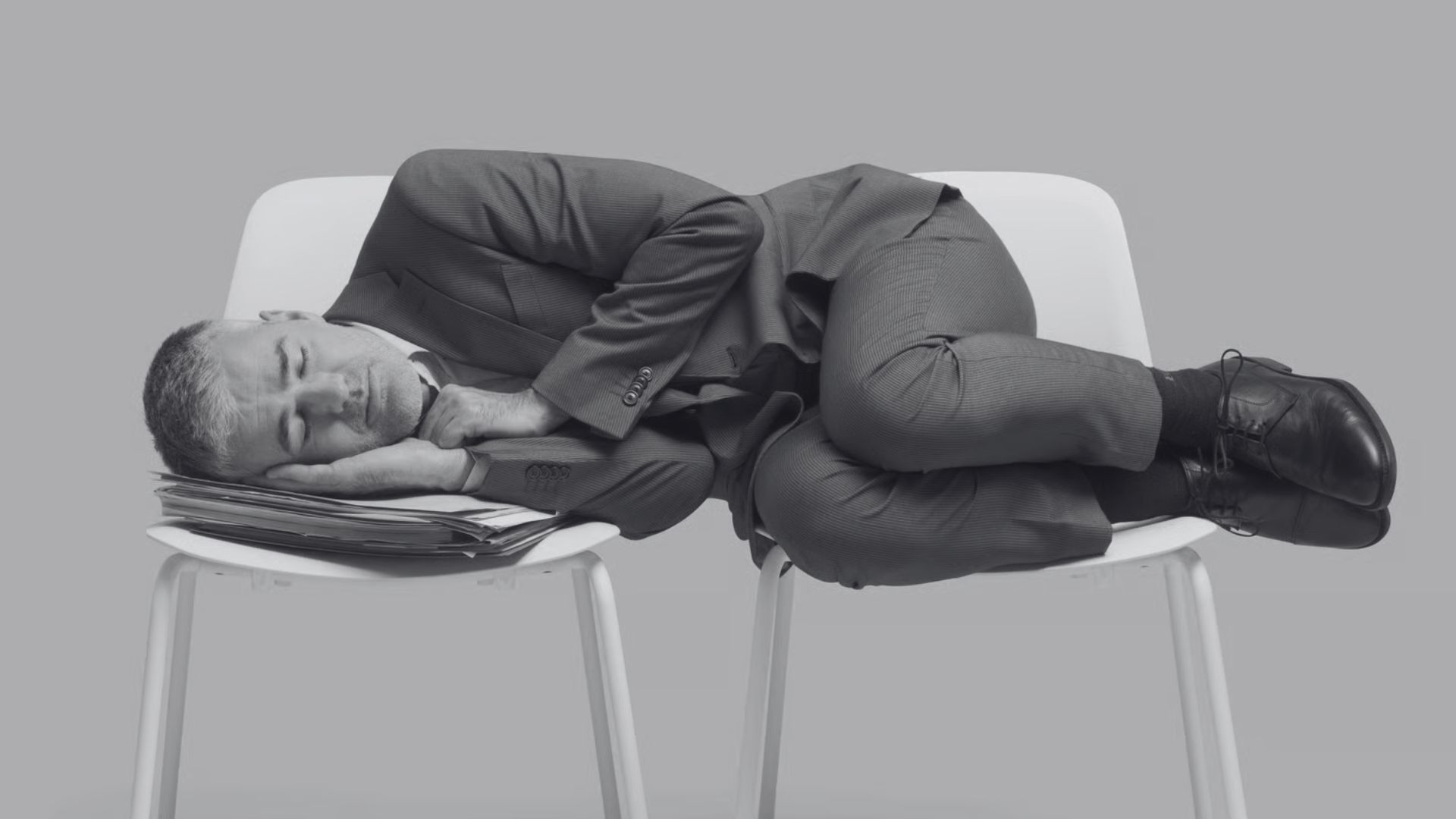
That shooting pain down your leg is not going away on its own.

Sciatica is a compressed nerve, not a pulled muscle. Every week it stays pinched, the damage deepens and the window to correct it narrows. We find exactly where the pressure starts, then take it off.

Check your spinal load
40%of people will feel sciatica at some point in life
90%of cases trace back to a herniated disc
Visit 1lumbar X rays and a full structural exam
  • Full structural exam on visit one
  • Lumbar X rays at your first visit
  • Gentle adjustments for acute pain
  • Findings explained in plain language
  • Serving clients across the United Kingdom
Does this sound like you

Six signs the problem is the nerve, not the muscle.

Sciatica follows a path. If your pain, numbness, or tingling travels from the lower back into the leg, that path is the clue.
  1. Shooting pain down one leg
    01

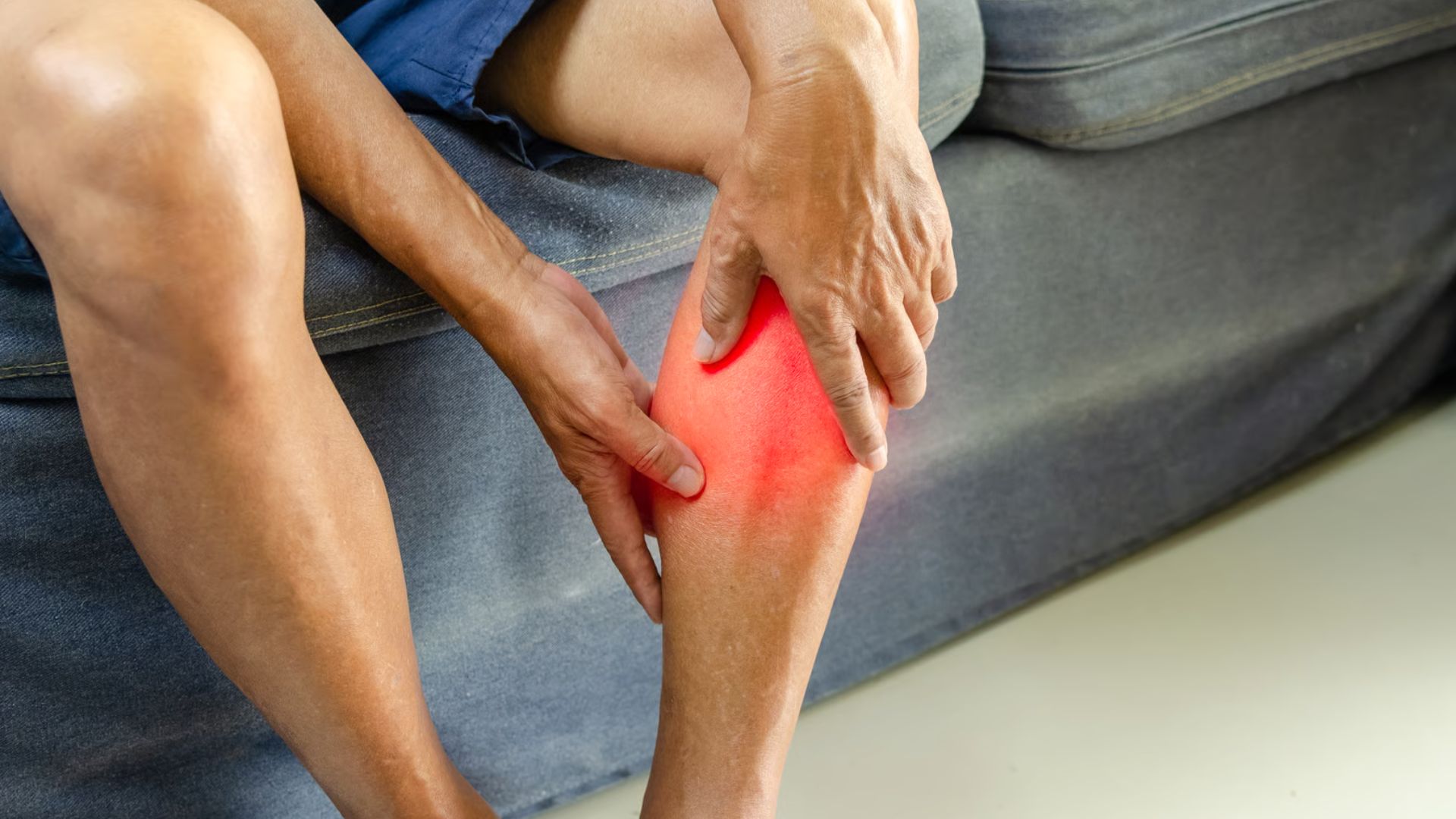
    Shooting pain down one leg

    A sharp, electric pain that travels from the lower back through the buttock and down the leg is the hallmark of sciatic nerve compression.

  2. Lower back pain that will not quit
    02

    Lower back pain that will not quit

    Persistent aching on one side of the lower back is often where sciatic nerve involvement starts, before the leg pain begins.
  3. Numbness or tingling in the leg or foot
    03

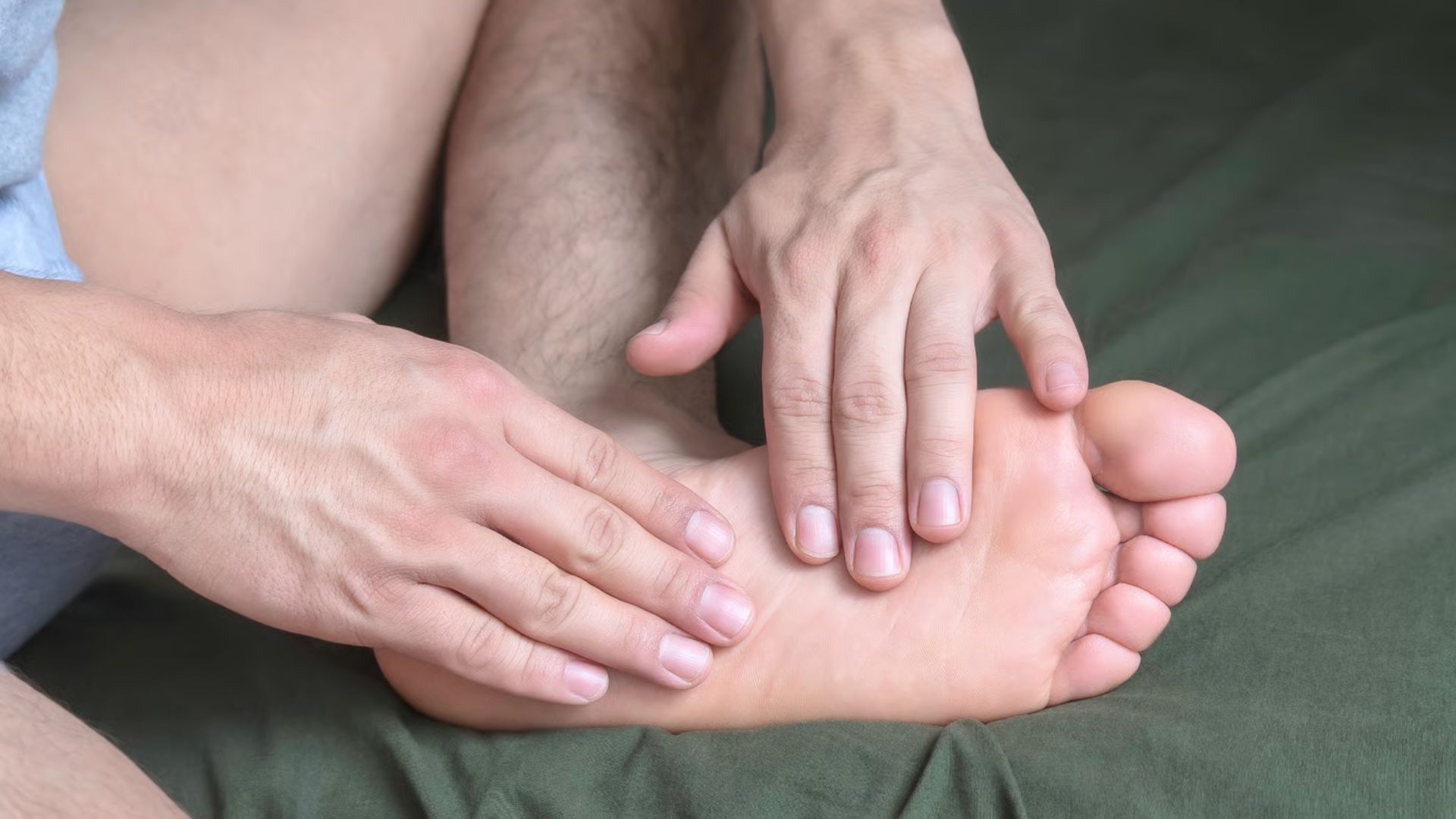
    Numbness or tingling in the leg or foot

    A compressed nerve sends abnormal signals down the leg: pins and needles, tingling, or a deadened feeling in the foot.

  4. Pain that gets worse when you sit
    04

    Pain that gets worse when you sit

    Sitting loads the lumbar discs and the nerve behind them. Office workers and drivers are among the most affected.
  5. Weakness in the leg or foot
    05

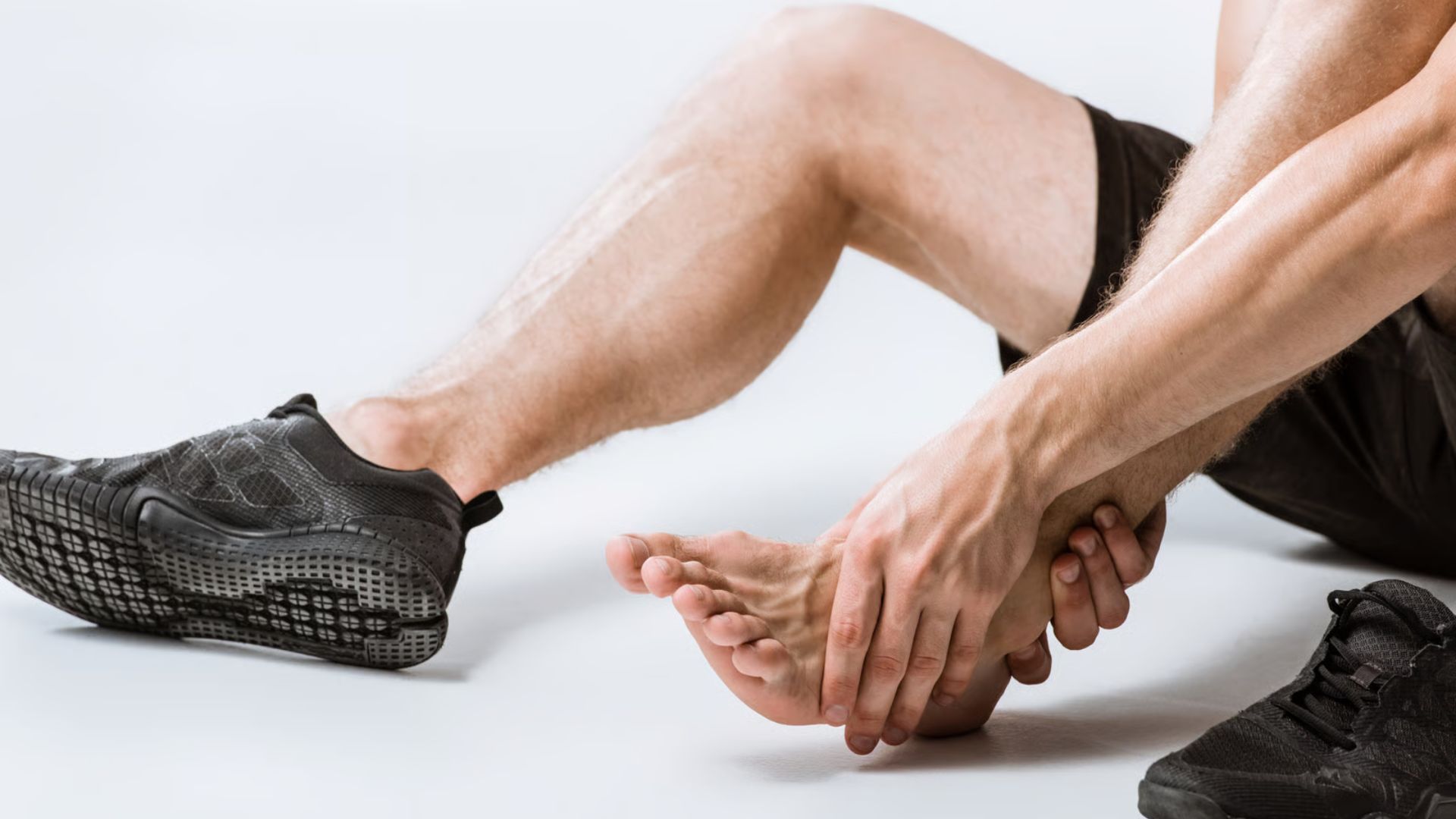
    Weakness in the leg or foot

    Long compression weakens the nerve's signal to its muscles. You notice it walking, or on the stairs.

  6. Trouble standing up or walking
    06

    Trouble standing up or walking

    As it progresses, standing from a chair or walking more than a few minutes becomes painful and exhausting.

  7. Next step

    Two or more of these sound familiar?

    Take the 30 second spinal load check, or call and we will talk it through.

    Check my spinal load
The science

The pain is in your leg. The cause is in your spine.

That is why treating the leg rarely works. Follow the nerve back to where it starts.

01 · Anatomy

Five roots, one nerve

The sciatic nerve forms from five nerve roots in the lower spine, L4 through S3, and runs through the buttock all the way down to the foot. It is the longest nerve in your body.

02 · Compression

A disc or bone spur presses a root

When a lumbar disc bulges or a bone spur narrows the space, it pinches one of those roots. Around 9 in 10 sciatica cases start with a herniated disc.

03 · The signal

The whole pathway lights up

A pinched root distorts the signal along the entire nerve. That is why the pain, numbness, or weakness shows up in your leg and foot, far from where the problem is.

40%

of people will experience sciatica at some point in their lives.

Harvard Health Publishing

90%

of sciatica cases are caused by a herniated disc pressing on a nerve root.

Valat et al., Best Practice & Research Clinical Rheumatology, 2010

60%

of sciatica patients who had not improved with medical care benefited from spinal manipulation as much as patients who had surgery.

McMorland et al., Journal of Manipulative and Physiological Therapeutics, 2010

A note on honesty: chiropractic care is not magic, and not every case responds the same way. How fast you improve depends on how long the nerve has been compressed and what is compressing it. If your exam shows you need a different kind of care, we will tell you and point you to it.

30 second self check

How much load is your spine carrying every day?

Three quick questions about how you sit. Your score updates as you answer.

Question 1 of 3How many hours a day do you spend sitting, at work, in a car, or at home?
Question 2 of 3How would you describe your sitting posture most of the time?
Question 3 of 3Do you feel any lower back, buttock, or leg pain during or after sitting?
Why it keeps coming back

You have tried the usual fixes. Here is why they fade.

Each of these helps something. None of them reaches the thing pressing on the nerve.

Rest and waiting it out

Rest and waiting it out

What it does

Calms inflammation for a while.

What it misses

The structural cause stays put. The moment activity resumes, the nerve is under pressure again, and waiting lets the surrounding muscles weaken.

Pain medication

Pain medication

What it does

Turns down the pain signal.

What it misses

The disc herniation, bone spur, or misalignment causing it. When the medication wears off, the compression and the pain are still there.

Stretching and home exercises

Stretching and home exercises

What it does

Eases muscle tension around the nerve for a short time.

What it misses

If the root cause is a disc or vertebra, no stretch reaches it. Without structural correction, the tension always returns.

Heat packs and massage

Heat packs and massage

What it does

Boosts circulation and relaxes tight muscles, which feels good.

What it misses

Neither moves a herniated disc, resets a vertebra, or decompresses a nerve root. The relief is real and always temporary.

Sciatica is a structural problem. It needs a structural answer.

How we treat it

Four steps. Find it, free it, fix it, keep it.

Every care plan follows the same order, built around what your own exam and X rays show.

Your first visit

No guessing. You see what we see.

Most people with sciatica have been told to rest and wait. Your first visit is built to give you actual answers.

  1. 01

    Full health history

    When it started, what makes it worse, what you have already tried, and what you want to get back to.

  2. 02

    Postural and structural assessment

    How your spine, pelvis, and hips are carrying load, and which movements trigger the nerve.

  3. 03

    Lumbar X rays

    So we can see exactly what is happening at the nerve root level instead of guessing from symptoms.

  4. 04

    Your findings in plain language

    One of our chiropractors walks you through the images and your care options, clearly and without pressure.

You leave knowing exactly what is going on and what it will take to fix it.

Patient stories

From patients across the United Kingdom who stopped waiting.

Sleeping again in 3 weeks
"The pain down my left leg was so bad I could not sit through a meal. I had it for eight months before I finally came in. Within three weeks of care I was sleeping through the night again. I wish I had not waited so long."
A sciatica patientUnited Kingdom
Back to full shifts
"I drive for work and the sciatica made every shift unbearable. My doctor just kept giving me muscle relaxers. This clinic actually looked at what was going on in my spine. Two months later I am back to full shifts with no pain."
A sciatica patientUnited Kingdom
Feeling back in her foot
"I had numbness in my foot for almost a year. Nobody could tell me why. The team here found a compressed nerve in my lower back on the first visit. After consistent care the feeling is back and the pain is gone."
A sciatica patientUnited Kingdom
Questions we hear every week

Everything you were about to ask.

The key difference is the leg. General back pain stays in the back. Sciatica follows the nerve, so the pain, numbness, or tingling travels from the lower back through the buttock and down one leg, sometimes all the way to the foot. If your symptoms follow that pattern, nerve compression is very likely involved. A structural assessment and X rays will confirm it.
For many people, yes, and the research backs it up. A study in the Journal of Manipulative and Physiological Therapeutics (McMorland et al., 2010) found that 60% of sciatica patients who had not responded to medical management benefited from spinal manipulation to the same degree as patients who had surgery. Chiropractic care works on the structural cause of the compression rather than masking the symptoms.
Yes. We do a full structural assessment before any adjustment, so we understand exactly what is happening in your spine before we touch it. For acute pain, the first adjustments are gentle and specific, designed to start relieving pressure without aggravating the inflamed nerve. We meet you where you are.
Most patients notice a meaningful drop in leg pain within the first two to four weeks of consistent care. Full relief depends on how long the nerve has been compressed and how severe the underlying issue is. Your care plan is built around your own findings, so you know from day one what to expect.
Most sciatica cases do not require surgery. Surgery becomes a consideration when conservative care has been exhausted, or when there is severe, progressive nerve loss. We will always be honest with you about where your case stands, and refer you out if that is what you need.
A full health history, a postural assessment, and lumbar X rays so we can see what is happening at the nerve root. One of our chiropractors then walks you through the findings in plain language and explains your options. You leave knowing exactly what is going on and what it will take to address it.

Start with one visit. Leave knowing exactly what is pressing on the nerve.

The longer sciatica goes untreated, the harder it is to correct. Call today, and we will find a time that works for you.

Footer — Dion Services

Hands on adjustments for pain relief, mobility, posture, and lasting wellness, all in one focused visit in the United Kingdom.

Follow us

Ready when you are

Book a visit and start feeling like yourself again.

Your information is always kept private & secure.

Copyright 2026. Dion Services. All Rights Reserved.

Page link

This links to your own page

This item will link to the matching page on your own site once it's built.