

The numbness isn't
something to just live with.
Burning, tingling, numb feet and hands are your nerves asking for help. We start with a real exam to find out which nerves are affected and why, then build a plan that skips medication and works to calm the signals and support repair.
The sensations you've been explaining away.
Peripheral neuropathy rarely announces itself. It shows up as small, strange feelings in the feet and hands that are easy to dismiss, right up until they aren't. If a few of these sound familiar, they're worth listening to.

Numbness & loss of feeling
Patches of your feet or hands that feel far away, muffled, or simply not there, like a layer of padding between you and the floor.

Tingling & pins and needles
That prickling, buzzing, "fell asleep" feeling that arrives on its own, for no clear reason, and tends to overstay its welcome.

Burning & shooting pain
Heat, electric jolts, or a deep ache that flares worst at night, when the house is quiet and there's nothing else to focus on.

Balance & unsteadiness
Feet that don't quite report back, so stairs, curbs, and a dark room start asking for more concentration than they used to.

Sensitivity to touch
Bed sheets, socks, or a light brush of the hand that shouldn't hurt, but somehow sends a sharp or unpleasant signal anyway.

Weakness & cramping
Hands that drop things, feet that catch on the carpet, and muscles that cramp or tire noticeably sooner than they once did.
Find the cause. Calm the signal. Rebuild.
Neuropathy care isn't a single visit or a one-size protocol. It's a short, measured program that starts by understanding your nerves and adjusts as your results come in.
A thorough nerve exam
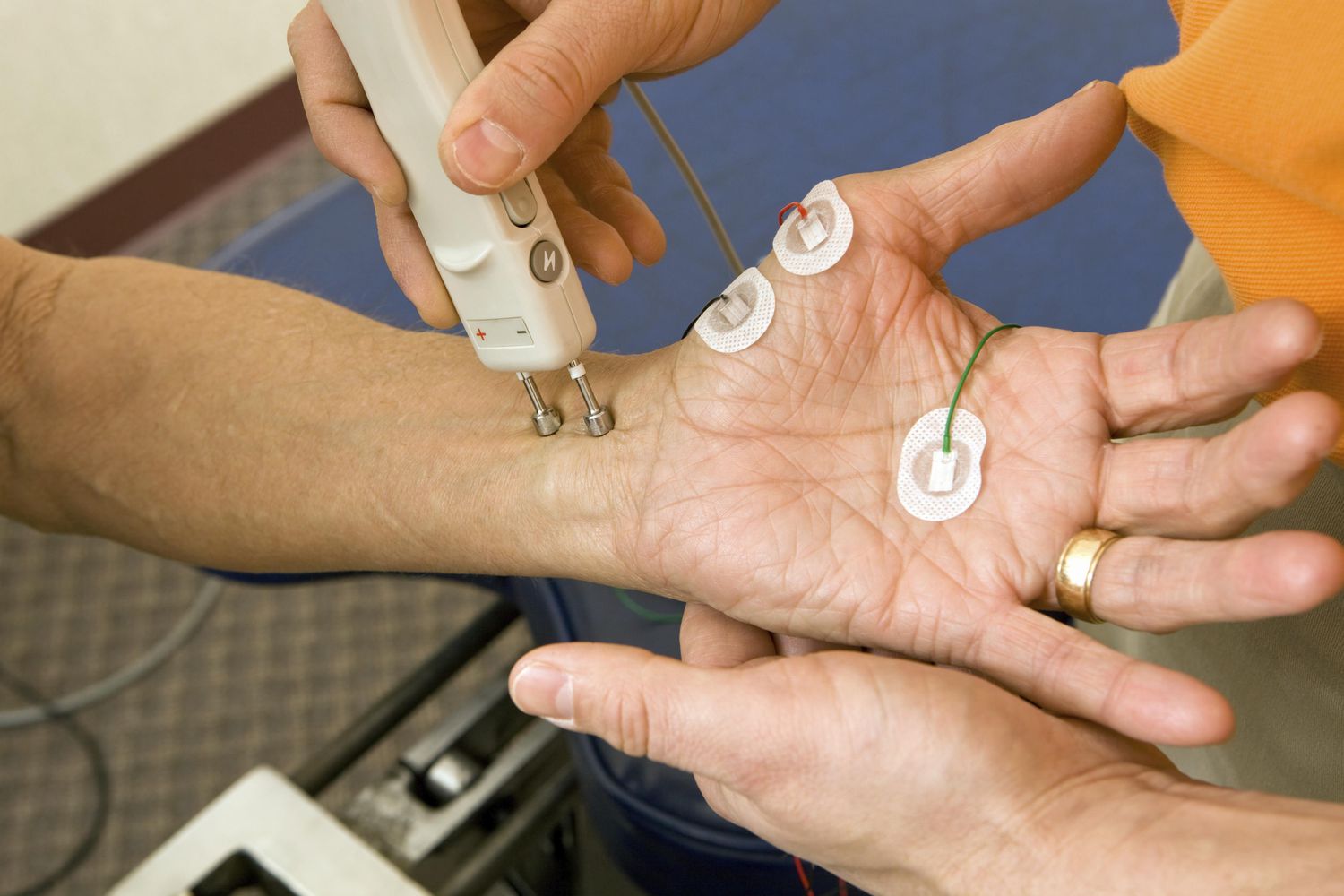
We map which nerves are affected and how far it has progressed, with hands-on sensory, reflex, and circulation testing. No guessing, no generic plan.
Calm the pain signals
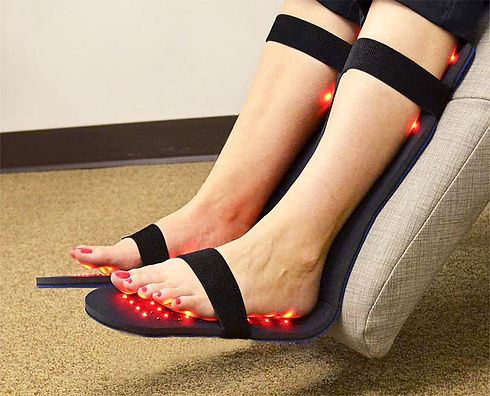
Gentle electrical nerve stimulation and near-infrared light work to quiet overactive pain signaling and support blood flow to the nerve.
Re-educate & rebuild
Targeted nerve re-education and balance work, plus a few simple at-home steps, help your nervous system relearn steady, accurate signals.
Re-measure & adjust
We re-test at set points, so your plan is driven by what's actually changing in your feet and hands, not by a fixed script on a wall.
Two problems, worked at the same time.
Damaged nerves usually struggle in two ways at once: the signal itself misfires, and the blood supply that feeds the nerve runs short. We address both, then support them with hands-on rehab.
Electrical nerve stimulation
Works at the level of the nerve signal, helping interrupt overactive pain pathways and prompting quieter, more normal firing over a course of sessions.
Near-infrared light therapy
Works at the level of blood supply and cellular energy, supporting the small-vessel circulation that damaged nerves depend on to repair.
Nerve re-education & balance
Hands-on rehab and simple home exercises help retrain steady signaling, protect your balance, and hold the gains between visits.
Every plan is built from your exam. The exact mix of tools, and how long you'll need them, depends on the cause and stage of your neuropathy, not a package sold at the door.
-
01
A dedicated neuropathy focus
Your provider leads neuropathy care at Dion Services, with a specific interest in nerve health and health throughout the body, not neuropathy as a side note.
-
02
A real exam, not a guess
Care starts by identifying which nerves are involved and why, so the plan targets the cause of your symptoms rather than chasing the symptom alone.
-
03
No drugs and no surgery
Our approach is designed to work alongside your existing medical care, without adding another prescription or a trip to the operating room.
-
04
Grounded in emerging research
We use tools studied in pain, rehab, and dermatology settings, and we stay honest about what the evidence does, and doesn't yet, show.
The fixes that feel right but miss the point.
Most people try the obvious things first. They are not wrong, they are just aimed at the symptom instead of the structure underneath it.
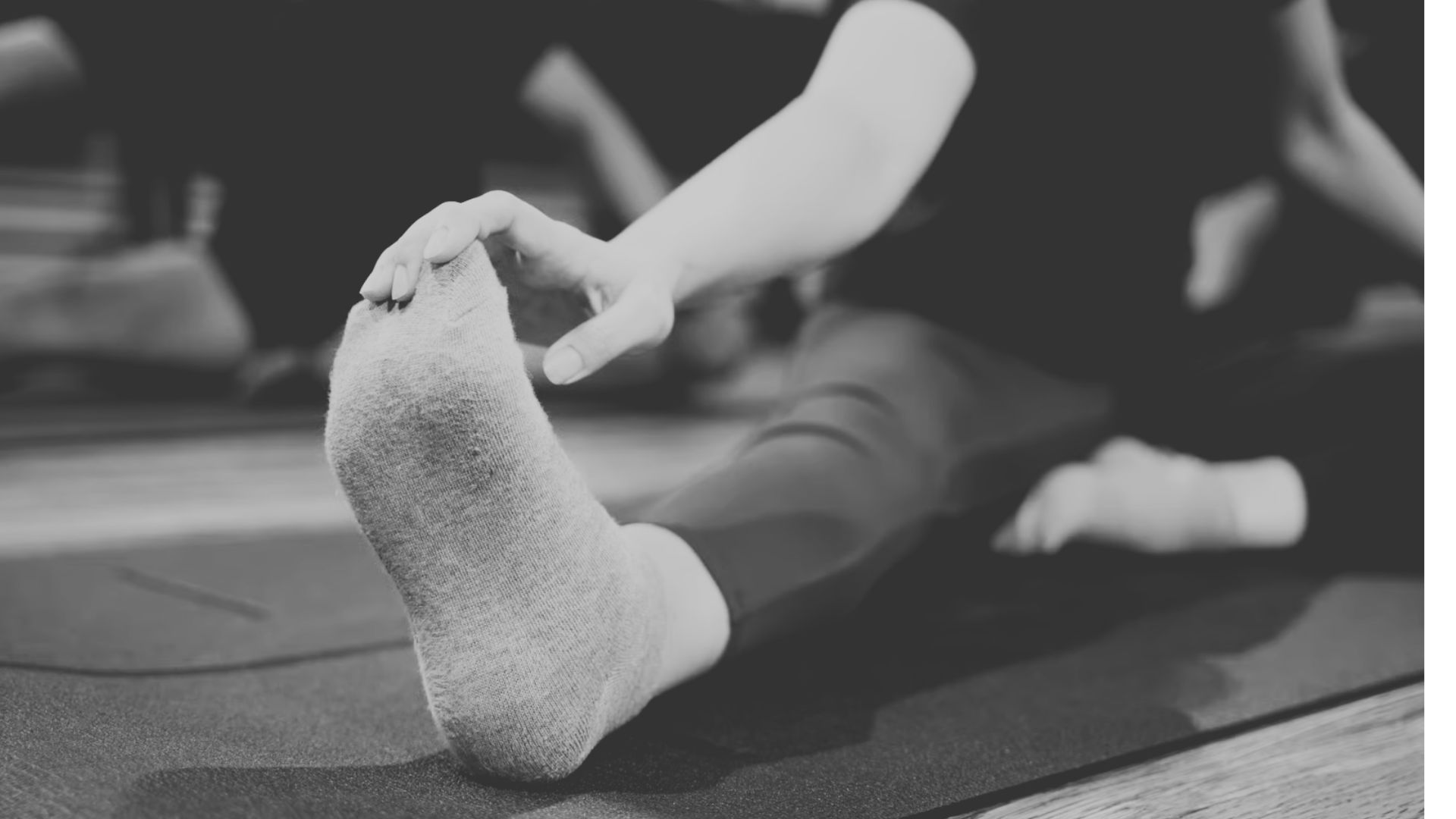
Stretching and yoga
Stretching loosens tight muscles for an hour or two, then the vertebrae slide right back. It soothes the tension without touching the position that keeps creating it.
Relief that never lasts
A new desk or monitor
A better setup reduces the angle while you are at the desk. The forward head is already built into your posture, so it follows you to the couch, the car, and the phone.
Only helps at the desk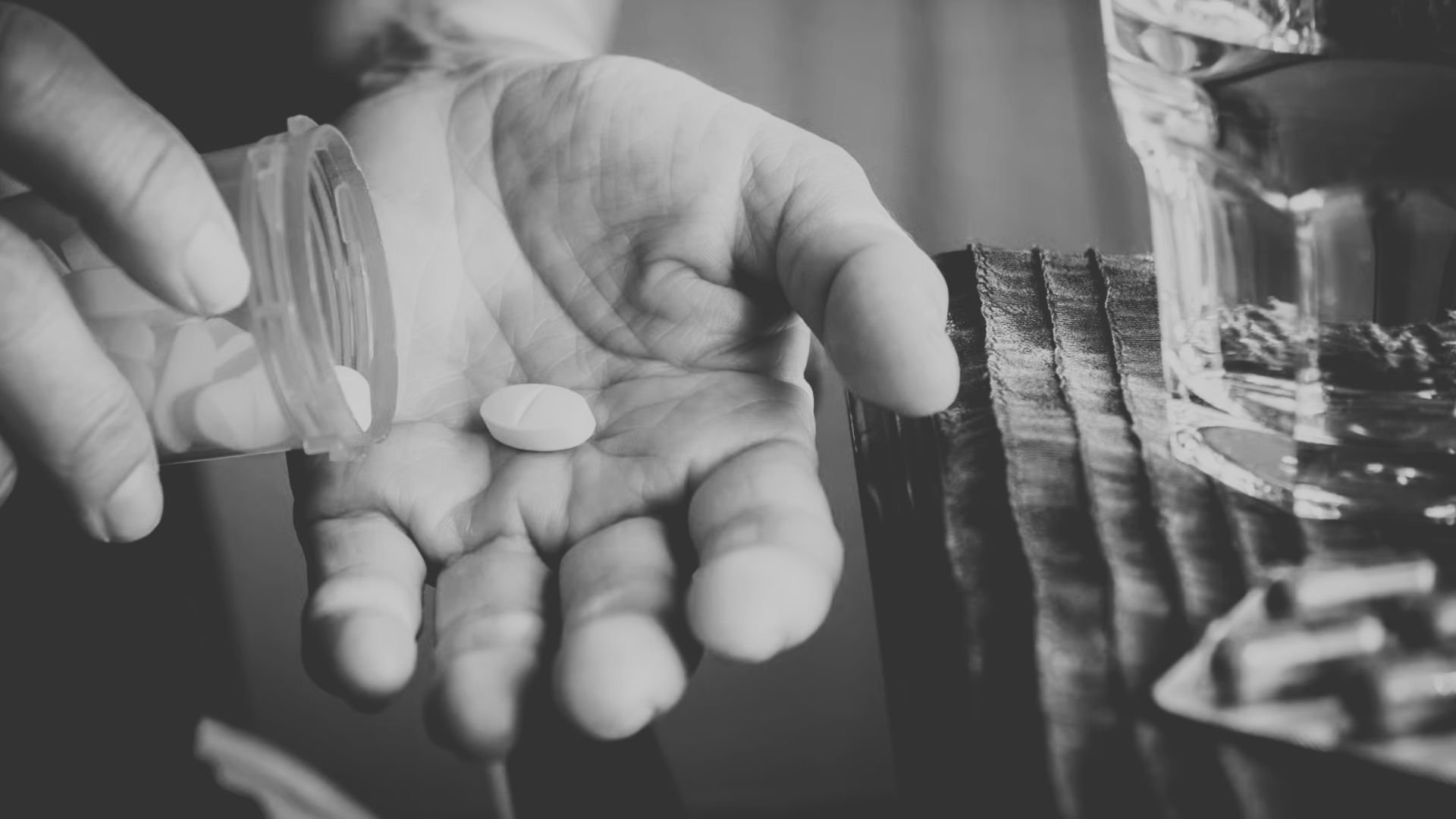
Pain medication
Medication quiets the pain signal so you can get through the day. Meanwhile the underlying compression keeps advancing quietly in the background.
Masks, does not correct
Posture reminders and apps
Sitting up straight on purpose is a willpower exercise. The second your attention drifts back to the screen, the head drops right back down.
Depends on constant effortThe real problem is structural.
The cervical spine has shifted out of its natural curve, and no amount of stretching or reminding puts it back where it belongs. That takes measurement, targeted correction, and a plan built around your actual anatomy.
Is it worth getting your nerves checked?
A short, research informed self check. Answer one group of questions at a time, then get a plain language read on whether a proper neuropathy exam is a sensible next step. Nothing is stored or sent.
Sensation
Balance & strength
Pattern & risk
Signs needing prompt medical care
Start by marking what you feel
As you go, this updates with a plain language read on where you stand, and what a sensible next step looks like.
This self check is for general education only. It is not a diagnosis and does not replace an exam done in person by a licensed provider. Anything marked in the red section deserves prompt medical attention, not something to wait and see about.

What happens if neuropathy goes untreated?
Nerve damage rarely stays the same size problem on its own. Here's what that progression can look like, and why timing matters.
Neuropathy Patient Testimonials
Hear directly from people who came in dealing with numbness, burning, and balance trouble — and what changed after they started care.
Want more stories like these?
Once your own testimonial videos are ready, this panel can link out to the full library of patient experiences with neuropathy care at Dion Services.
Everything you were about to ask.
Straight answers, no hedging where we don't have to. If yours isn't here, ask us directly at your visit.
Yes. The tools we use are gentle and not invasive, and most people find the sessions relaxing rather than uncomfortable. Everything is supervised, and your plan is matched to what your exam shows, so nothing is pushed further or faster than makes sense for you.
It varies with the cause and how long symptoms have been present. Many people describe small changes, often in sleep or the intensity of the burning, within the first few weeks. Consistency matters far more than any single visit, and we measure again along the way so you can see what's actually moving.
No. This is designed to work alongside your existing medical care, not replace it. Keep seeing your physician and keep managing the underlying cause, that's a core part of neuropathy improving. We're glad to coordinate with your other providers.
Honestly, it depends. Nerve tissue can improve, especially when the underlying cause is addressed and the damage isn't advanced, which is exactly why we encourage people not to wait. In longstanding or severe cases the realistic goal may be relief and slowing progression rather than a full reversal. We'll give you a straight read after your exam.
Diabetes is the most common cause, but it's far from the only one, nerve compression, certain medications and chemotherapy, injuries, vitamin issues, and thyroid or autoimmune conditions can all play a part. Sometimes no single cause is found. Part of the exam is working out which of these is driving yours.
Coverage varies. Some parts of a neuropathy plan may be covered and others may not. Our front desk will walk you through what to expect, and can explain current program and membership options before you commit to anything.
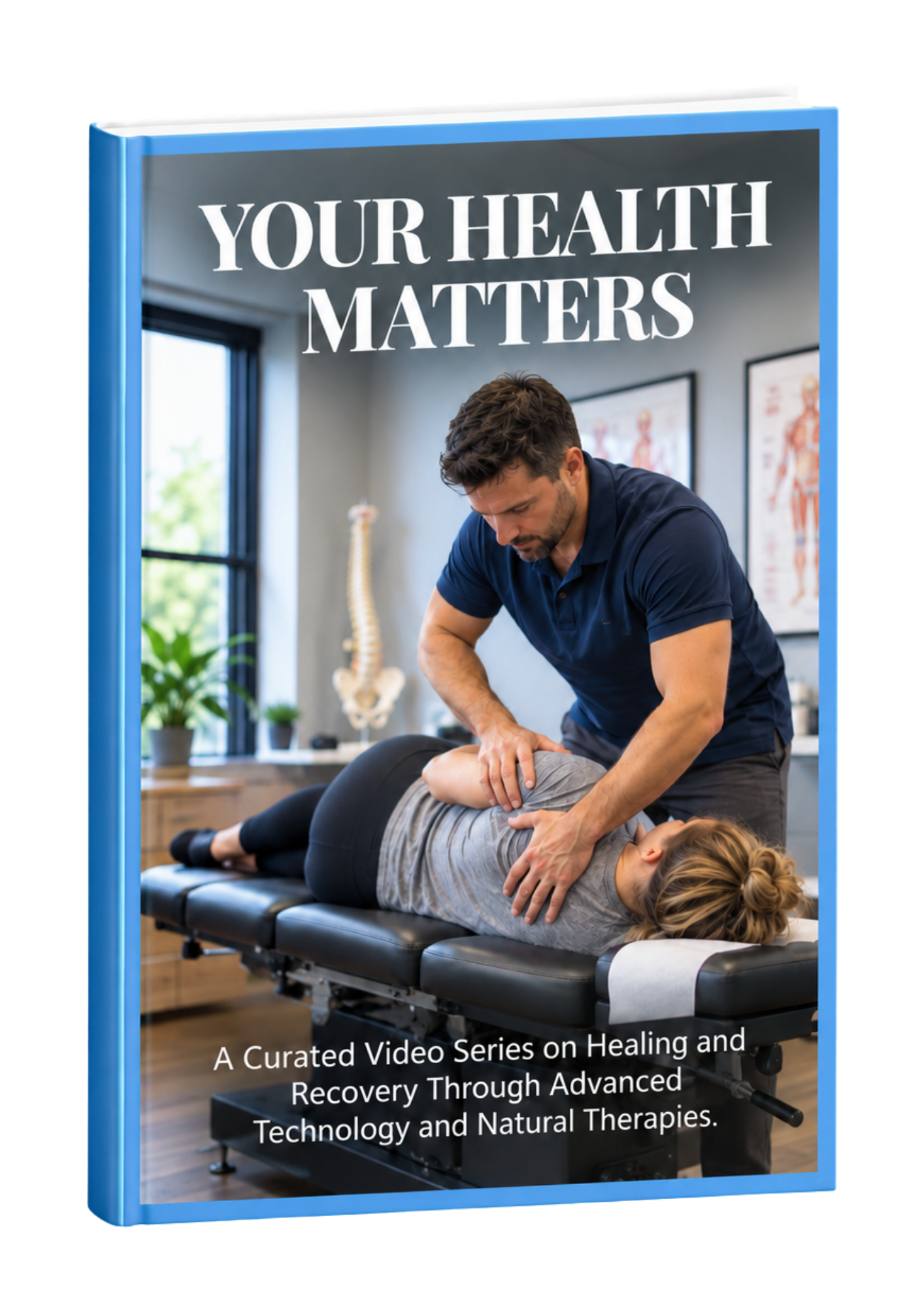
Get your free guide to chiropractic care, then come see us.
Back pain, a stiff neck, and nagging headaches are often signs your spine needs some care. Get our free eBook on how chiropractic adjustments ease pain and restore movement naturally, then reserve your first visit whenever you're ready.